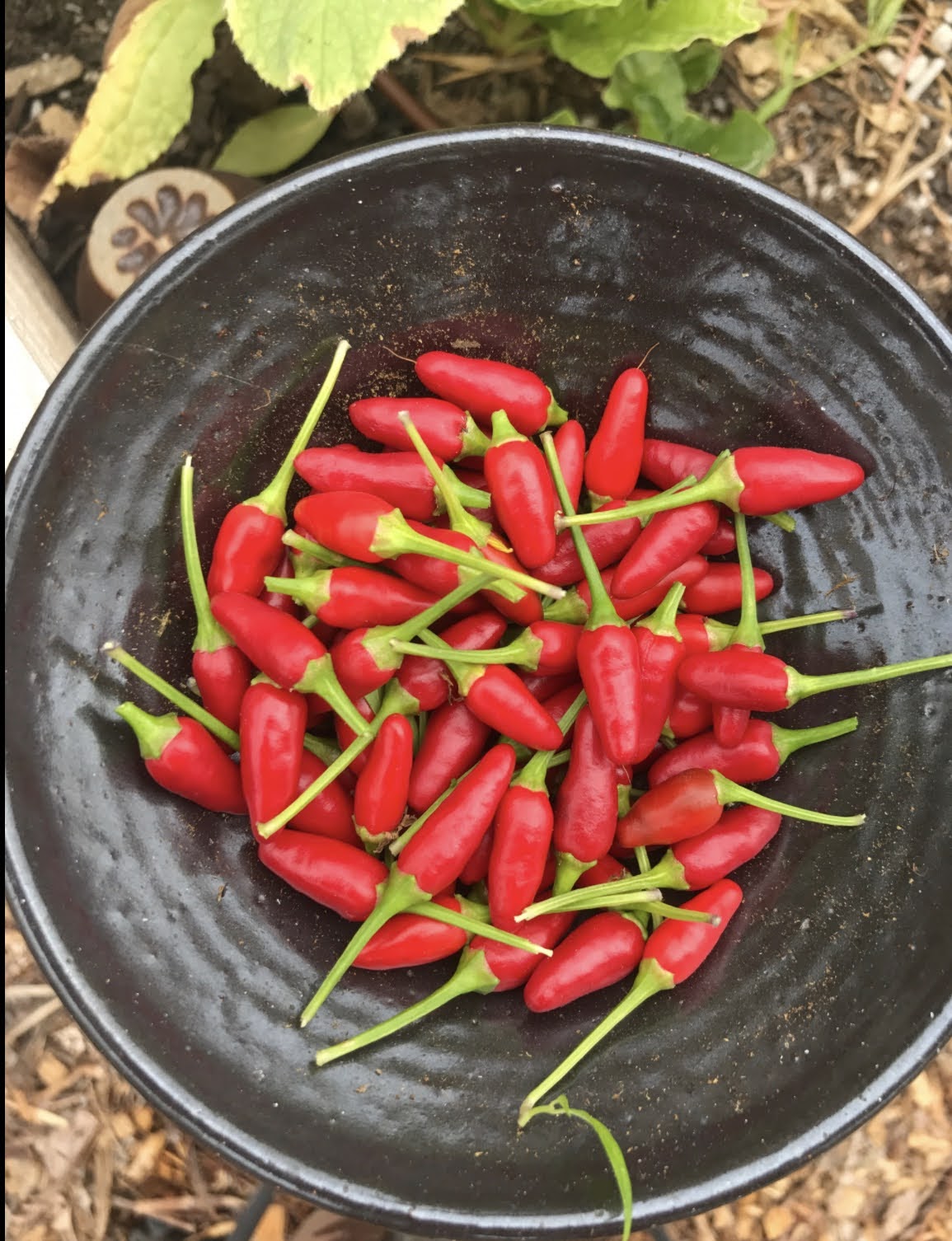
The grocery store is getting crazy these days. The prices creeping up for basic things such as lettuce, tomatoes, peppers, eggs, etc. have been caused by supply chain disruptions, worker shortages, and skyrocketing fertilizer prices. There is no foreseeable end in sight for how we are going to get out of this inflationary mess. Whether you are trying to keep the food budget in line at the fire station or at home, a garden helps me keep my grocery bill lower. I know this may be a little off topic for a financial blog, but seeing as how food is a part of our daily necessary spending, I thought it might be useful to share how my family has learned how to cut cost for food on a daily basis by starting a small backyard garden.
My History Of Gardening
Gardening has been a part of my life for as long as I can remember. I grew up visiting my grandparents house as a child. They lived within a few hours drive from us. Both sides were proud members of The Greatest Generation. They served in our nation’s wars. They came home and contributed to society. They worked hard, complained little, and loved their family with all of their hearts. They were salt of the earth and deserved a life of leisure and luxury after their sacrifices, but life wasn’t easy. Were they poor? No, but when it came to their finances, there was always an air of uneasiness perhaps left over from the ravages of the Great Depression. In an effort to sustain the lives they all loved, both sets of grandparents turned to their backyards for some degree of sustenance. I will always be in awe of how they gave their family every comfort possible. I was always amazed at how working the dirt of their homes wasn’t below them. They thrived on it. It brought them joy, and they shared their love and knowledge with their grandchildren. I’ll never forget the home cooked meals from their backyard garden. I miss them terribly and I’ll never forget all that the Greatest Generation bestowed upon us grandkids.
My wife grew up under a similar family structure centered around the garden. As a child, she played in her great grandmothers jungle of a garden. She was raised off fresh produce hauled from her parents backyard. When we moved in together into a small apartment in a busy suburb of San Diego, we dreamed of one day having our very own backyard garden, but we didn’t let the cramped space stop us from starting a small garden of our own. We had a small front patio and we filled it up with pots of some of our favorite herbs and smaller sized vegetables. The lighting was terrible, and we killed our fair share of plants in the learning process. It was less than ideal, but we made it work. After getting married, we bought our small home on the outskirts of town. We sacrificed a bigger house for a giant blank slate of a backyard, and nearly five years ago, we set into motion a project that continues to grow and evolve along with our growing family. This is the story of our backyard garden.
Our Backyard Garden
Site Survey And Hard Lessons
There are many questions you need to ask yourself before going all in on a backyard garden. The very first step, whether its a container garden or a backyard farm, is to stop and take a look around. Take a lot of time if need be. When we got the keys to our house, we inherited a large flat lot choked with Bermuda grass lawn. A large ash tree grew in the center of it, and a handful of sickly looking fruit trees fringed the border. Being house poor and inexperienced with home improvement projects, we immediately set to work doing what we knew how to do. We bough some cheap terra cotta pots and converted a few wood crates into some container plantings. We grew salad greens, herbs, radishes and a handful of pepper plants our first few months on our back patio while we mapped out our future garden. We observes the light of the area. Half the garden was shaded out by the large ash tree, while the other half baked in the inland sun.
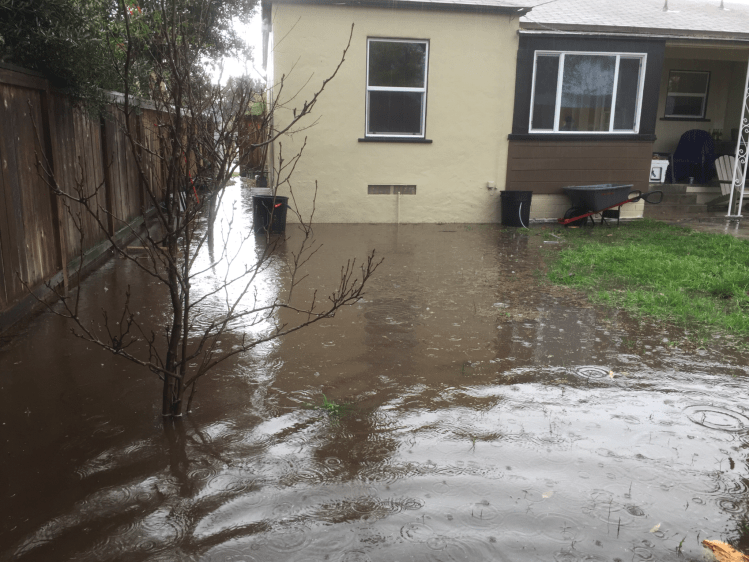
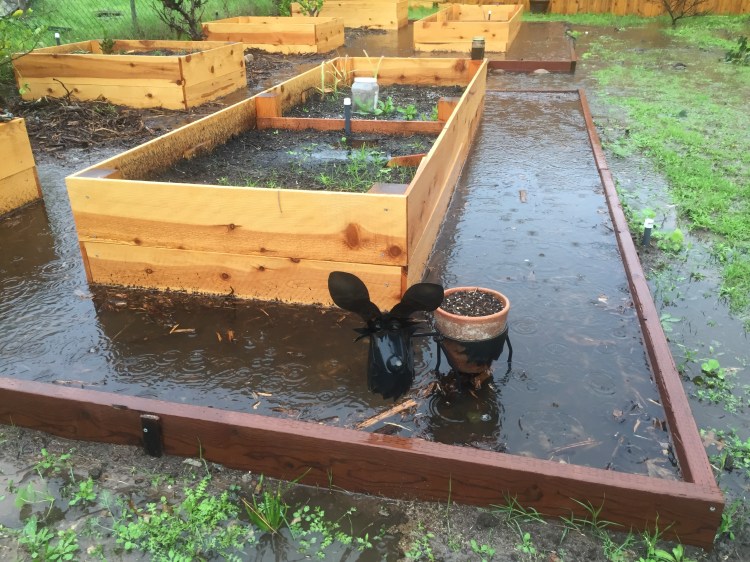
We though about soil drainage. If the soil drains too fast, you will waste water. If the soil drains too slow, you’ll drown your plants roots during the winter rains. We had bullet proof clay soil. We realized under this circumstance, our options were to haul in truckloads of compost and soil amendments for in ground gardening, or build raised garden beds to fill with good soil above the bad soil. We opted for a combination of the two. After tapping into an unused sprinkler line and building a simple drip irrigation manifold, we found some cheap fence boards on sale, and spent about $200 and a few weekends to erect some garden boxes to fill with good soil in the sunnier part of our yard. I framed in a small area with other wood to hold layers of compost and mulch, all picked up for free from our local dump. These layers would eventually break down into the soil over the course of years to allow us to eventually garden in the ground. Despite our best efforts, the winter rains our first year humbled us. Our whole backyard flooded, including the garden boxes despite being elevated off the ground. The water piled up so high, we had ankle deep water against our homes foundation. It was a disaster. We spent hours outside in the pouring rain staffing sump pumps to literally bail us out. Pretty much everything in the garden died that winter, but we remained determined to build what we had in our minds. We read books. We scoured the internet and found some solutions that have helped. Despite this, every time a drop of rain hits the earth, I still get nervous and have the sump pumps on the ready.

The $50 Tomato?
The Winter and Spring rains subsided our first year in the garden, and we sought to salvage our efforts into a summer crop. We picked up the pieces a little late and paid the price. Anyone turning their nose up to the cost benefits of gardening will often cite the $50 tomato. Essentially, the running joke is you spend so much money on gardening supplies such as tools, soil, fertilizer and plants that you pay $50 for a single homegrown tomato. We went to Home Depot and a number of local nurseries to buy small plants to get our garden started fast. They cost about $4-$5 a plant. To fill our 100 square ft. of growing space, we spent a lot of money to fill our beds out. It was pricey, but we were rewarded with a bountiful haul of tomatoes, peppers, basil, summer squash and winter squash. As satisfied as I was with the flavor of the food coming from our backyard, the numbers didn’t add up. We weren’t spending $50 per tomato by any means, but we weren’t saving money either! Reminiscing on the frugality of my grandpa as he hobbled around his backyard farm, I had a deep down feeling that he would have shook his head at our efforts. There had to be a better way.
As we geared up for our fall planting, we implemented a few changes to our operation. First, we realized that there had to be a better use of all the leaves that fell from our ash tree in the fall. We bought a small compost bin and began mixing in the leaves and food scraps to make our own backyard fertilizer. With time on our side, we invested in a few seed starting trays and went online to order seeds. The cost savings are incredible and the variety of products you can order rivals anything you would ever find in a grocery store shelf. Instead of spending $20 on kale starter six pack plantings, we spent $4 on a pack of seeds. If you planted all the seeds in the pack, you could easily grow the equivalent of $150 worth of seedlings to plant. Kale is about $1.50-$3 for a small clump of leaves. Each plant could easily produce ten of those clumps you’d buy in the grocery store. We planted so many seedlings for a fraction of the cost of our summer crops.
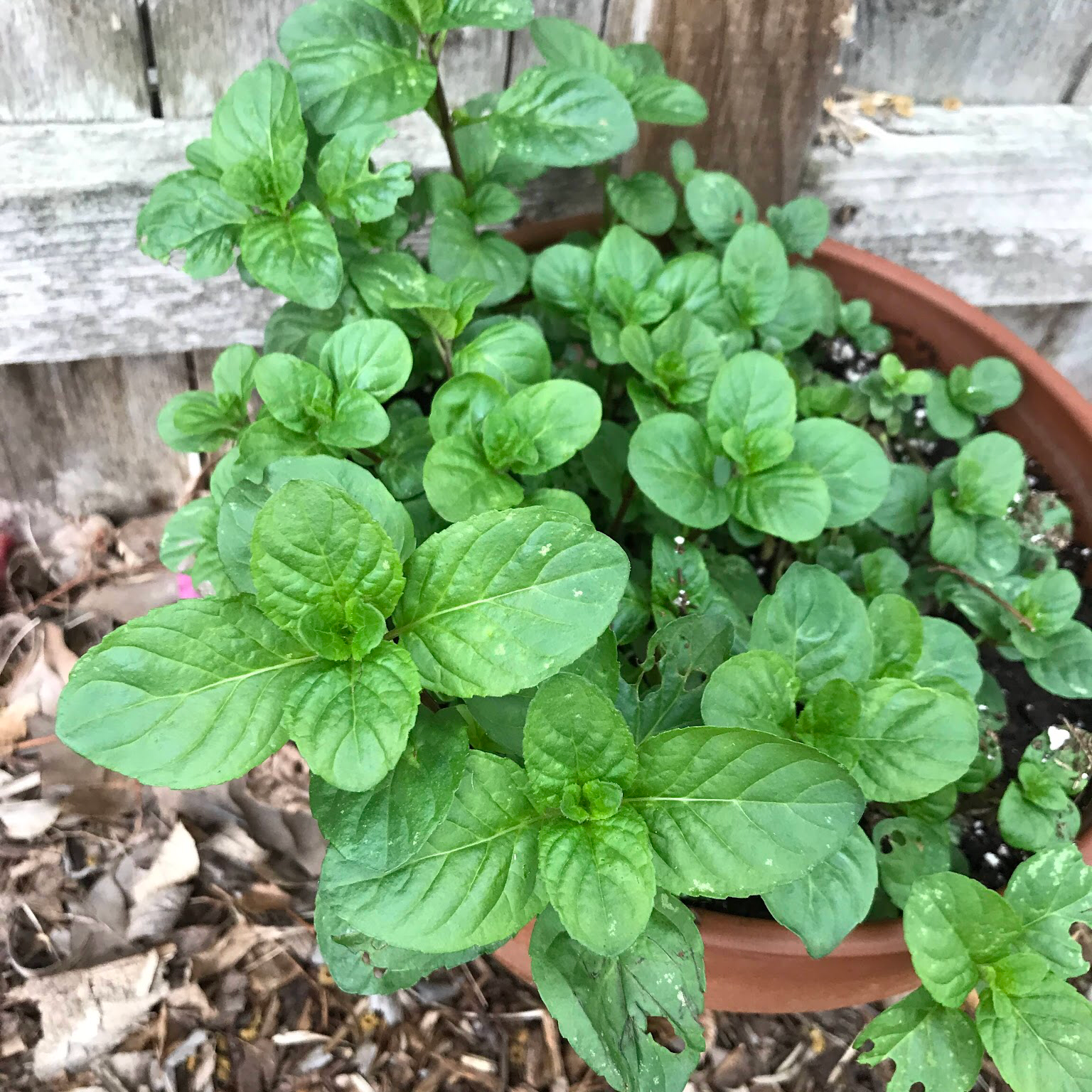
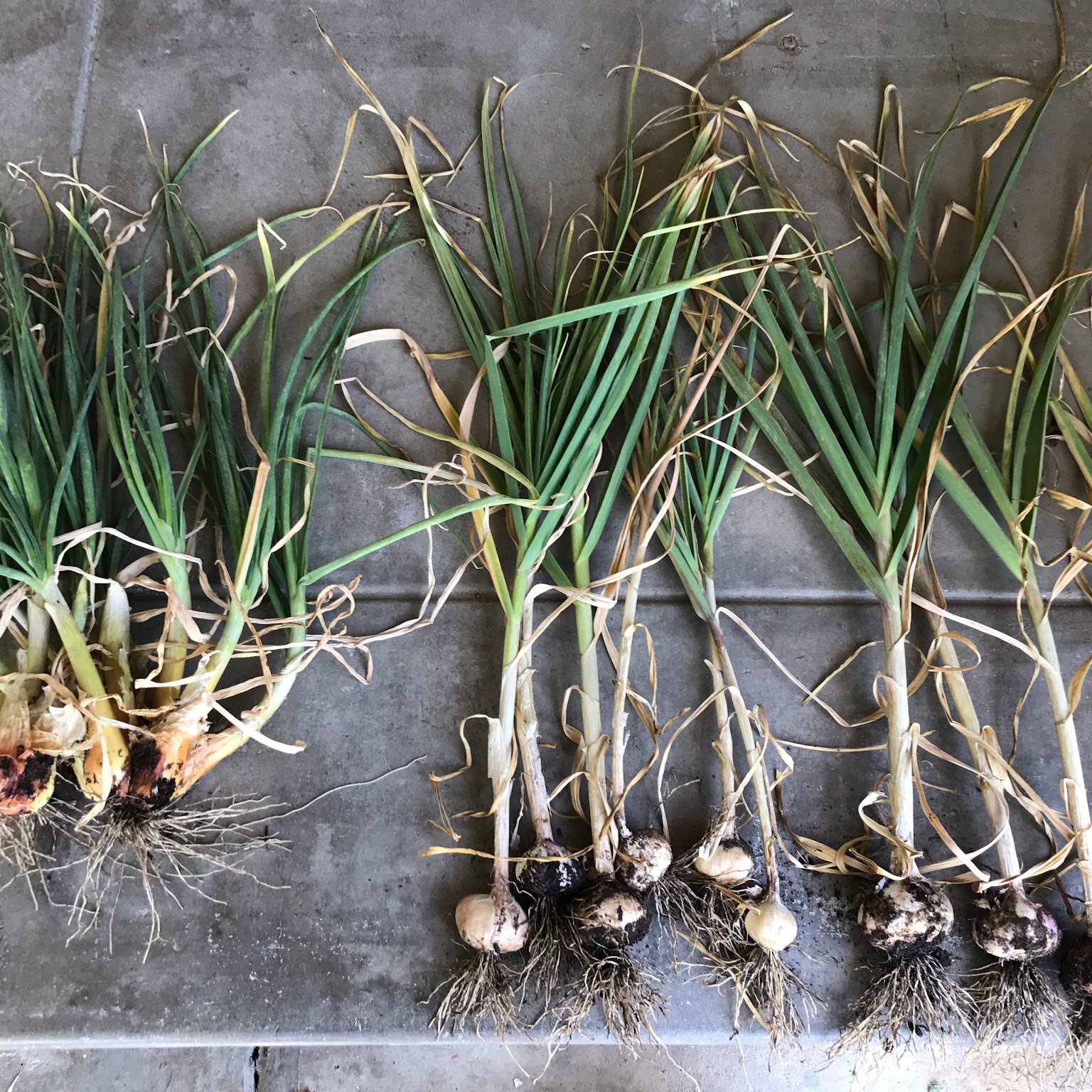
Around this time, my wife began taking horticulture classes at the local community college. She learned about other ways of getting plants for cheap or even free. Some plants you can clone by taking clippings and rooting them in water. We started some lemongrass, mint, and oregano from clippings or dividing roots. We borrowed from friends and family. All for free. We learned how to garden frugally and lowered the cost of our operation. That year, I researched how to grow garlic, bough a couple heads for $1 and started our first annual crop. It was a progression. We were learning, and our garden was shaping up to be what we had envisioned.
Permaculture Time Savers
The years went by and we still enjoyed every minute in the garden, but life was getting busy. I was gearing up to take the captain’s promotional exam, and my wife was deep in her horticultural studies. We were also trying to start a family and do a bit of traveling. We had the help of family to come over and water the garden while we were out of town so things weren’t completely dead when we got home. Drip irrigation helps you get by without heading out into the yard every day, but it’s not fool proof. You have to get out there with the hose or watering can every few days to spot check your crops. You also need to harvest your food. Most plants will produce more if you keep picking from them. Planting hundreds of seedlings every quarter also took a lot of time and planning. Time we quite frankly didn’t have. When we welcomed our daughter to our family, we really ran short on it. Around then, I stumbled on a few books and articles that highlighted the benefits of permaculture.
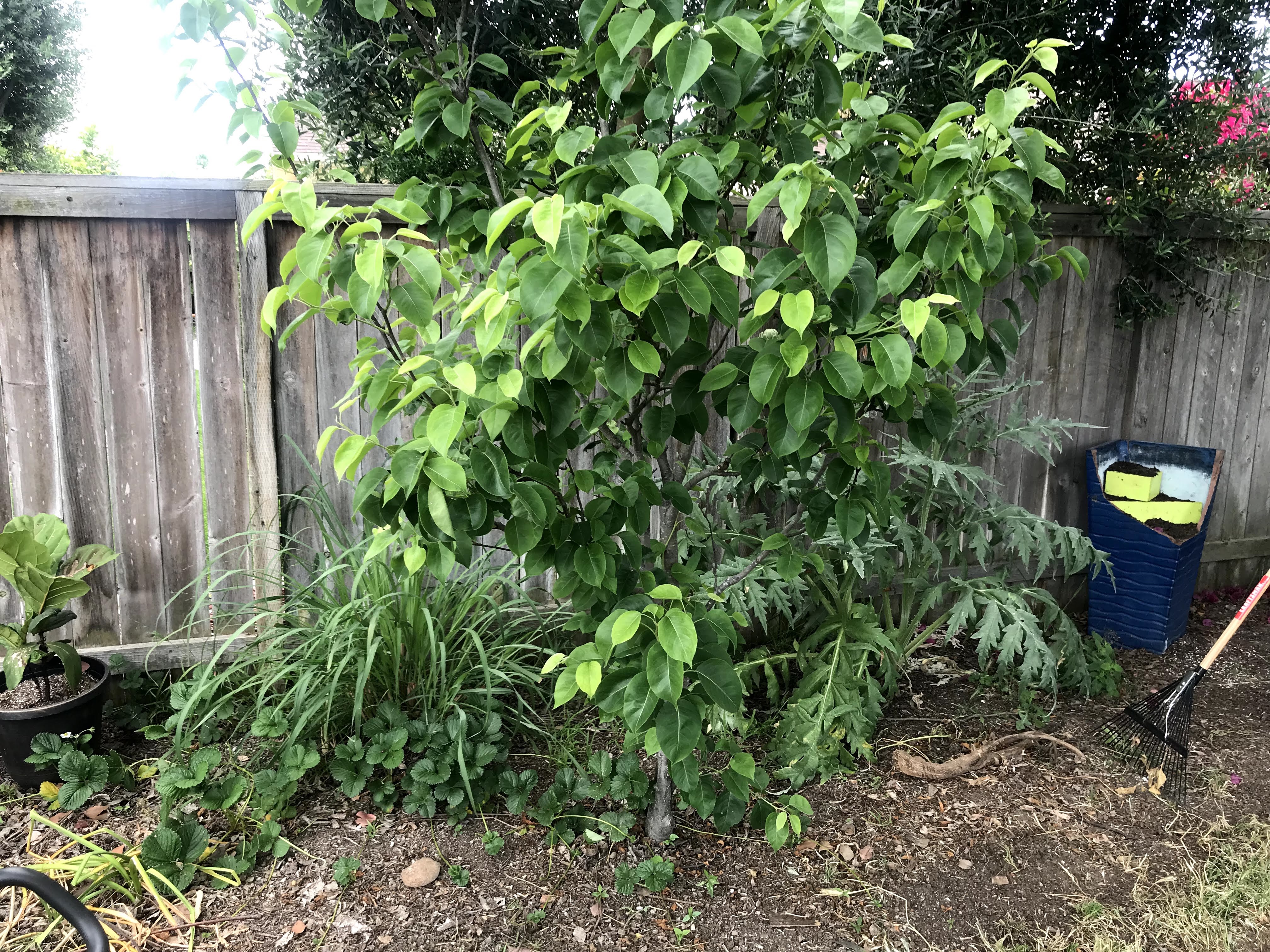
Permacultural plantings essentially stack different plants in a dense area that each have a different function. Some accumulate nutrients and serve as a fertilizer in place. Some provide shade. Others deter pests. While you can plant some annual plants (meaning they grow and die in a single year), permacultural plantings rely heavily on perennial plants (live for years) to do the work. You essentially stack multiple plantings in close quarters to mimic a natural forest. You design your own food forest. It saves time in planting new starter plants each year and can be tailored to what you like to eat. We started with our first permaculture project by planting strawberries under our Asian pear tree to provide a living mulch from the weeds. We planted flower bulbs to deter the Bermuda grass on the edges. Lemongrass deterred the pests and artichoke plants served as an edible nutrient accumulator plant. We were left with a lower maintenance area that still provided us with a good amount of produce. We only had to water, occasionally add a bit of compost and fertilizer and harvest when needed. It’s a phenomenal time saver.
What Do We Need?
Life with our daughter got busier and busier, and we found ourselves getting out in the backyard less and less. When presented with an opportunity to get outside and plant, it really forced us to be deliberate with our plant selections. Having another mouth to feed and essentially being a single income family drove us more to think about how we could make each planting count. There are plenty of online resources that will show what are the most economical plants to plant. They tell you what gives you more bang for your buck. Ultimately, you have to go with what you like to eat and factor in how much space you have. In recent years, we added a few blueberry and blackberry bushes planted in wine barrels (berries need to be planted out of the ground because they like acidic soil). We planted a persimmon tree and some more artichokes. My wife has continued her horticulture classes and is beginning to gravitate towards the floral industry. Some of our growing space is now dedicated to cut flowers. We tuck those in under large trellises that grow peas in the winter and beans in the summer. When I look at all this, I realize we have evolved our garden from a smorgasbord of every vegetable imaginable into a more organized and integrated collection of crops we actually want to use and eat. I often use prices at the grocery store in conjunction with our desired shopping list to make future decisions on what we are going to plant.
Cost Benefit Of Livestock
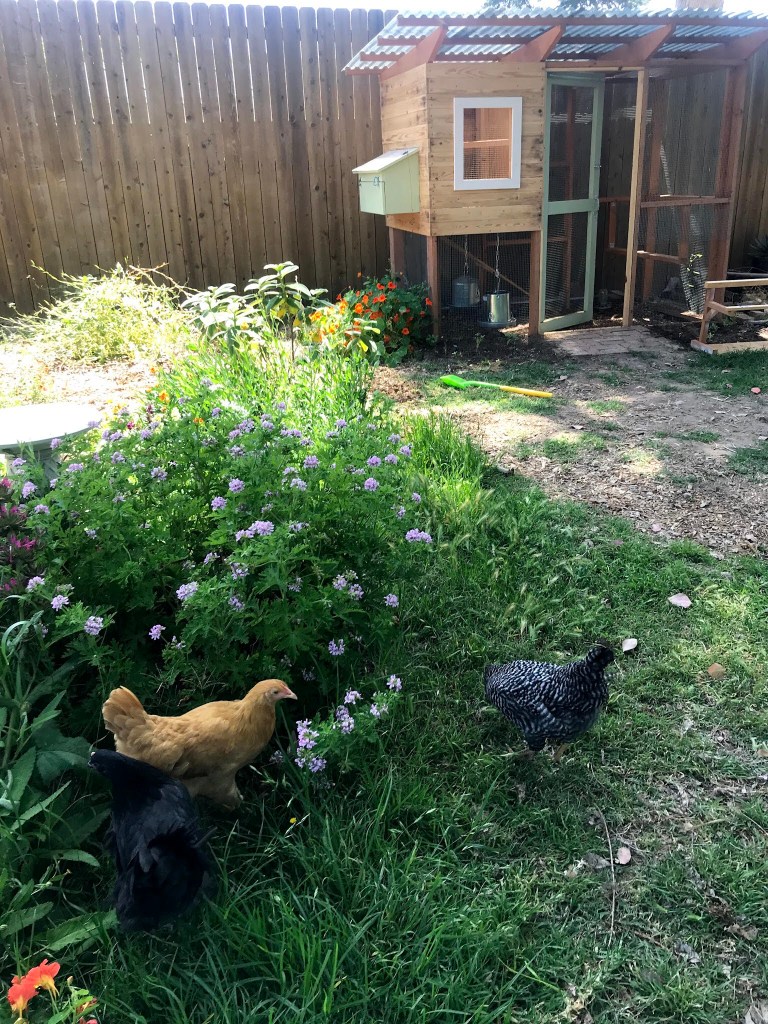
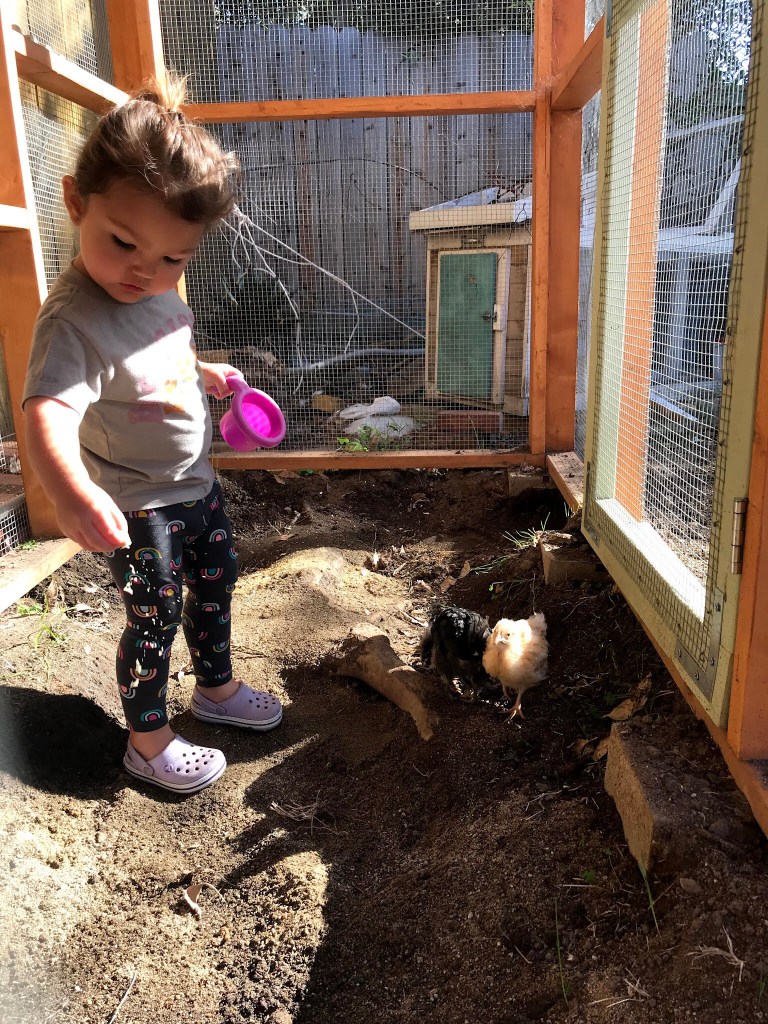
Making trips to the grocery store the past few years, we began to notice the price of quality eggs creeping higher and higher. When we found out our daughter was going to be a big sister, we pulled the trigger on getting chickens. We figured for her, having baby chickens would be a good transition to having a baby brother. That and the eggs would save us some money in the long run. At $8 a dozen for organic eggs, we had to at least give it a try! We first set about researching the local laws about having chickens. We discovered we were allowed to have up to four in our back yard. We found plans online and began construction of our backyard chicken coop during the doldrums of the COVID-19 lock down. It was a great project to work on as a family while we waited for our little boy to arrive. The total cost to construct the coop was about $900. Not the cheapest endeavor, but we built the coop to look good and last for years. We purchased three hens this spring and our daughter raised them as her own. She is incredibly proud of her chickens. Using some simple math, I would estimate our coop will last a minimum of 10 years, so about $90 a year or $7.50 per month. Feed is an additional $15 per month for a total cost of $22.50 per month. If each chicken lays a conservative 200 eggs per year, that is a total of 50 per month on average or a little over 4 dozen eggs from all three chickens. If we had continued buying eggs at the store, we would be paying $33.33 per month for the same amount of eggs. For us, this is great! We have fresh eggs right in our backyard, my kids have some cool pets, and we get loads of good chicken manure that we can compost and fertilize our garden with AND we get to save about $10 per month on our grocery bill. I know this isn’t much, but with fertilizer prices skyrocketing, egg prices will surely follow. The cost savings may increase with time and inflation.
A Family That Gardens Together…
In economics, there are often unforeseen benefits or consequences for any given business transaction or decision. These instances are called externalities, and gardening has had a number of positive externalities for our family. The job of a firefighter is stressful. We see a lot that we wish we could forget. We are pushed to the limit, sleep deprived and often a royal pain in the ass to be around coming off shift. Sadly, we have many firefighters in our ranks struggling to cope with the stress. I was lucky to have my father, a retired fire captain, coach me through some of my earlier difficult calls. He told me it was imperative to find something to help decompress after a tough shift. I’m lucky to have realized that fact early and because I’ve developed my routine for mental wellness, I still love my job. However, I am not immune to a bad day at work. One of my favorite things to do to decompress is to come home in the morning and have a cup of coffee with my family in our garden we built together. I love seeing my daughter learning about growing her own food.
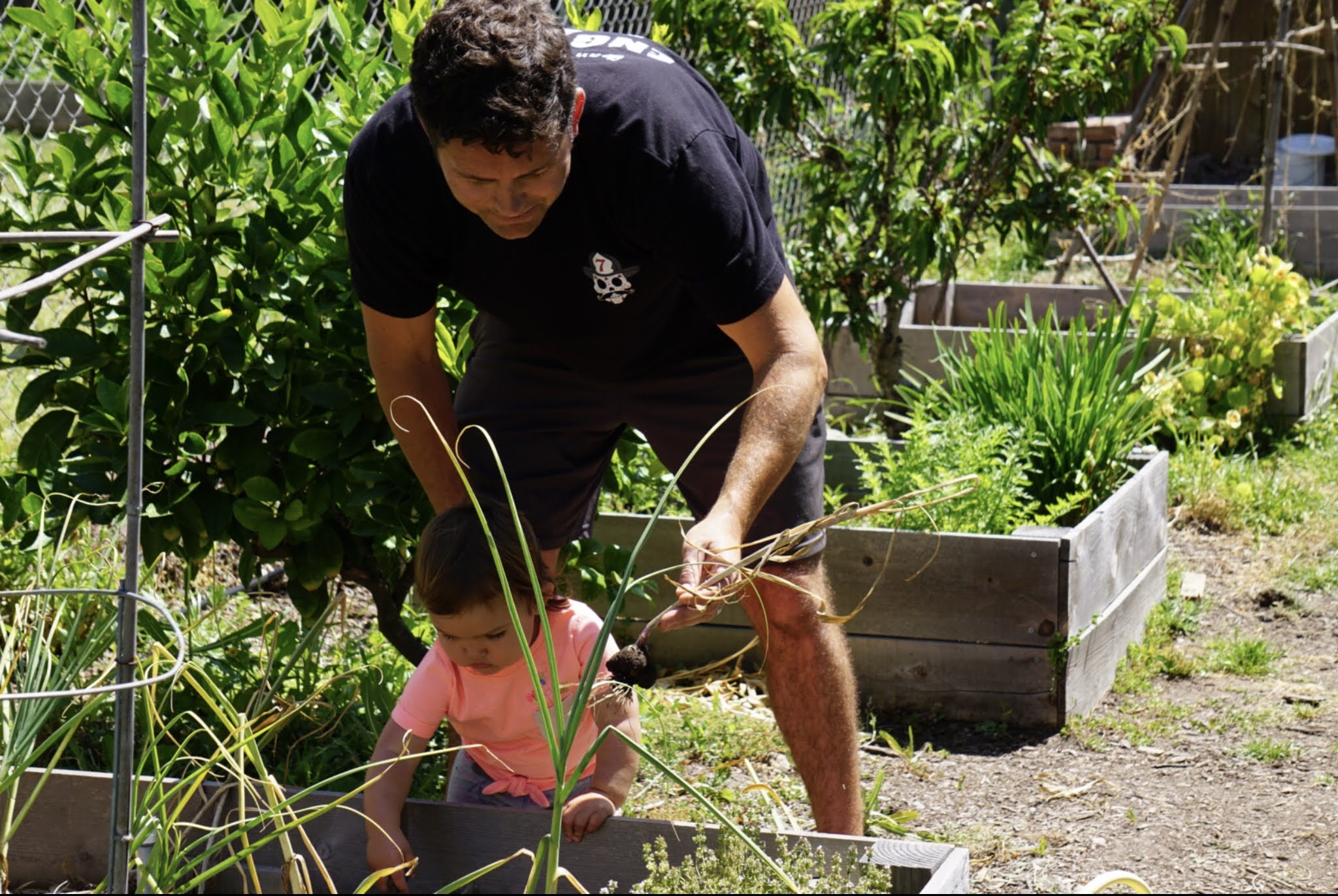
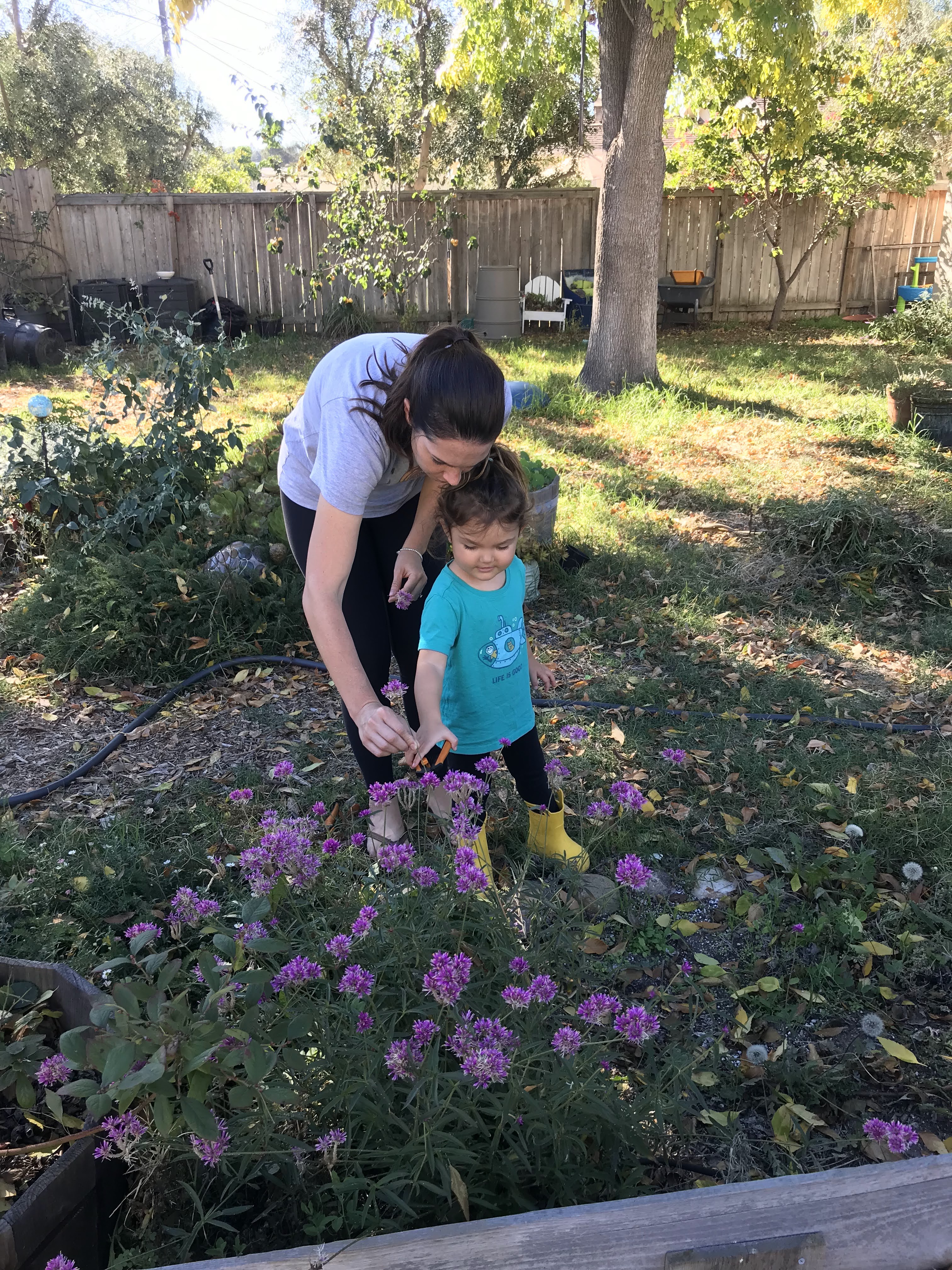
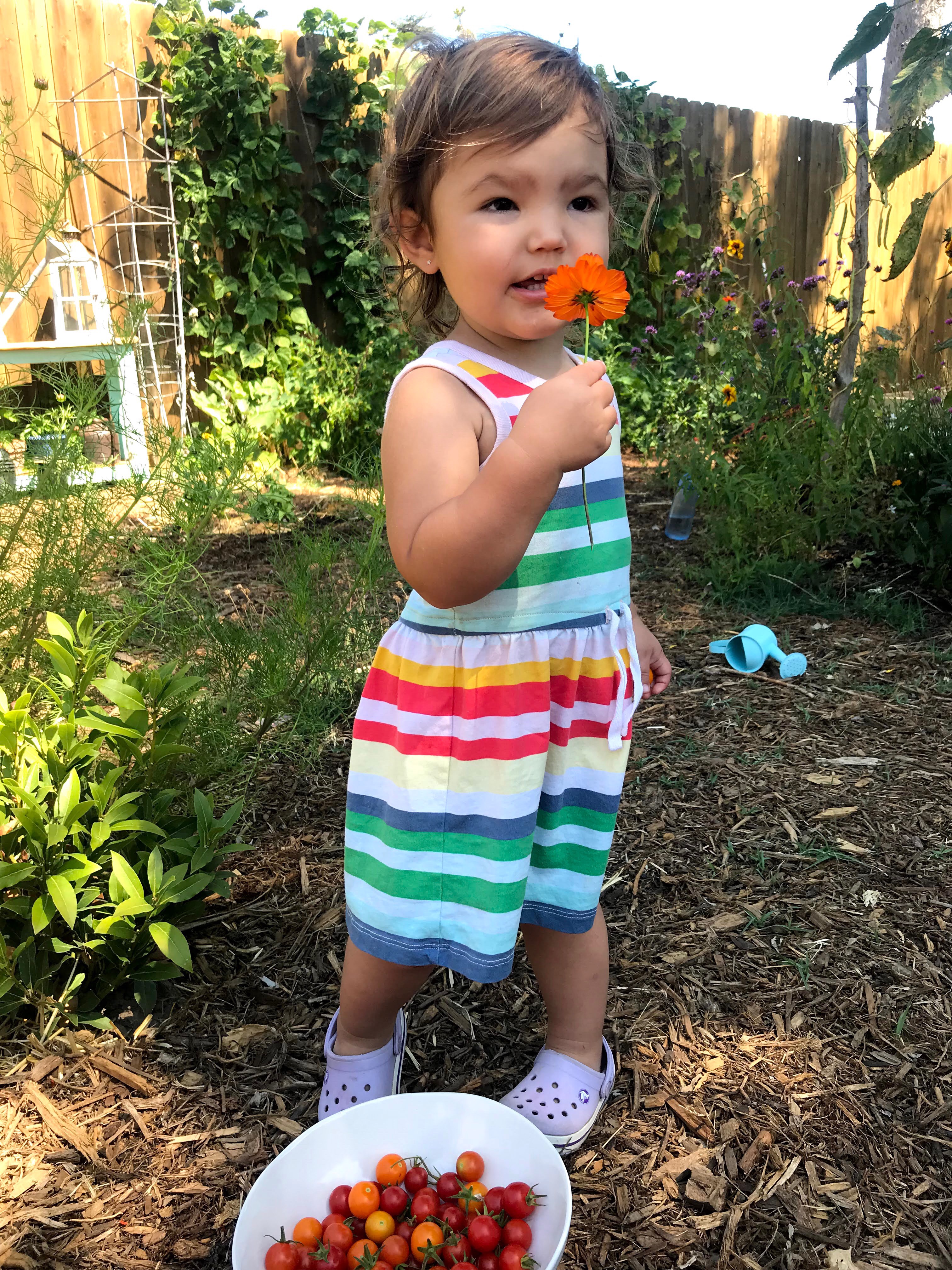
I love the ecosystem of birds, bugs, and plant life that we have created in this concrete jungle we call Southern California. I love seeing my wife thrive in doing something she loves as she learns how to make a living in the horticultural world. And finally, in this world of financial insanity, with the looming threat of ramped up inflation, I take comfort in knowing my family has developed the skills and learned how to live off our small backyard patch of land. Should the worst ever happen with our nation’s food supply or should we plunge into another Great Depression, I feel like we have a head start in getting by. At this point, we have a humble goal of pulling at least one bit of food from our garden for every meal we cook at home. Can we do better, be more productive and live almost solely out of our backyard? Absolutely! For now, we are just a busy family that enjoys the garden we built from scratch.
Want To Start A Garden Of Your Own?
There are so many resources available to start a garden of your own. Google any crop you wish to plant in your area and see what it takes or if it’s even possible. Give it a try. Fail. Learn and reap the benefits of knowing how to grow your own food. In San Diego, I use the San Diego Master Gardener’s Planting Guide to help me figure out when to plant various crops that do well in our area. There are also plenty of online communities on social media for any given area to bounce ideas off of. If you are interested in starting a permacultural garden with more set it and forget it lower maintenance designs, I think Gaia’s Garden by Toby Hemenway is worth every penny to buy. I reference that book often. For more intensive planting of annual crops (that will take time and effort) such as lettuce, tomatoes, peppers, garlic, onions, squash, etc. The Square Foot Garden by Mel Bartholomew is another great book to use. Mel teaches you how to pack a lot of crops into a tight space. In summary, you can’t go wrong planting any little bit of edible produce. Many ornamental plants can be swapped out with edible plants that serve the same aesthetic function in a landscape. No matter how much or how little you pull from your garden, any little bit will help if inflation continues to be an issue in our economy.
 The Firefighter Economist