I think any firefighter can understand economics because fundamentally to study economics is really just a study and a mastery of scarcity. Scarcity is the term that implies that there is only a fixed amount of any given resource available for the needs of a society. Economics seeks to get the most amount of good out of a limited amount of scarce inputs. These inputs come in a number of forms. More obvious are the raw materials such as steel, coal, water, wood, etc. Less obvious are the human and societal factors such as drive to work, happiness, well being and innovation. Firefighters know the concept of scarcity incredibly well.
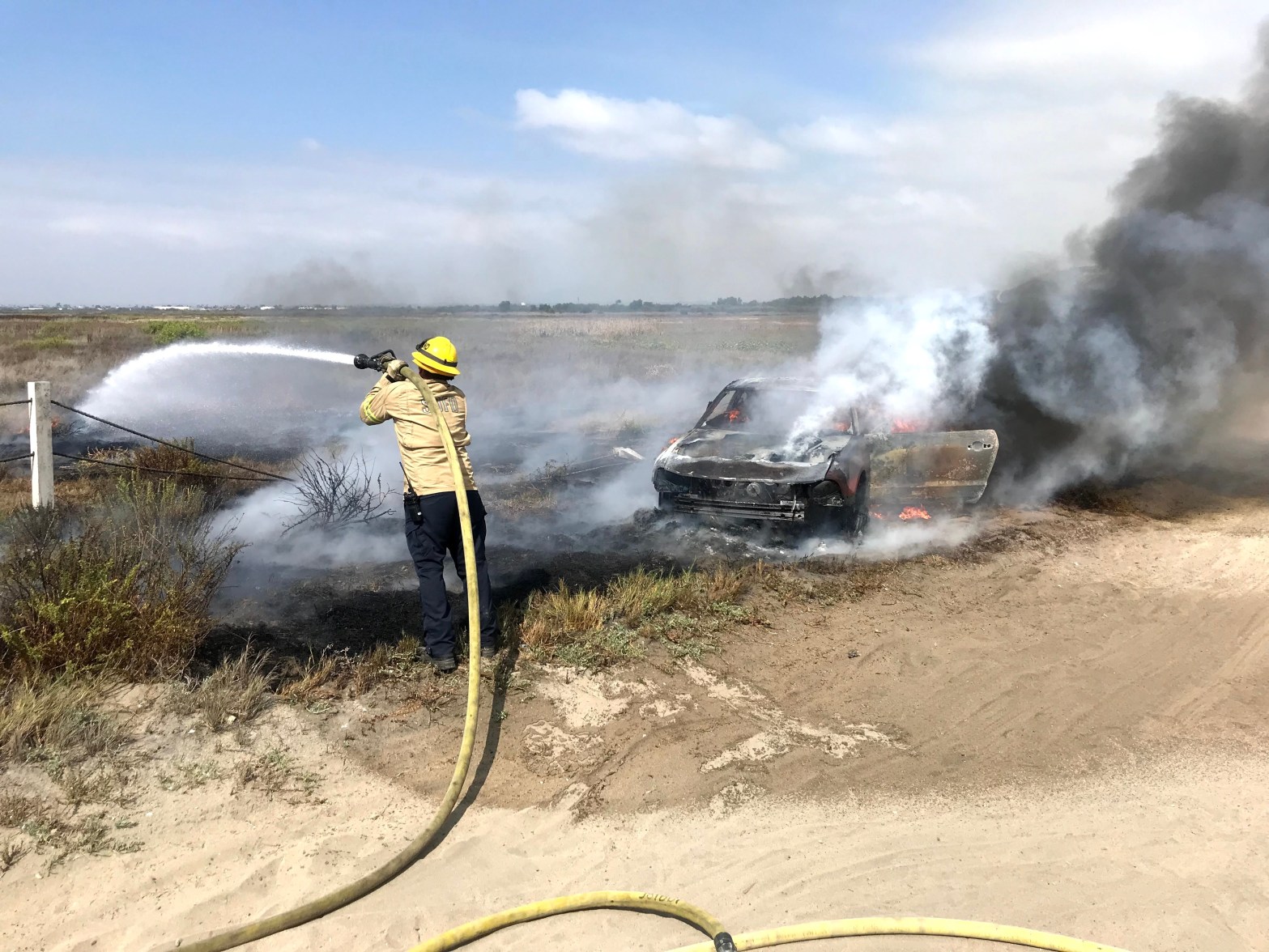
Not too long ago, my crew responded to a vehicle fire near the border of Mexico. It took us 10 minutes or so to get out to the fire due to it being literally in the middle of nowhere. When we got to scene, we found a fully involved car parked off the main road. Surrounding the fire was an approximately 50’x50’ vegetation fire. The nearest working hydrant was about a mile and a half down the road. We had another engine coming, but they were a few minutes behind. Without any direction, the firefighters on my crew immediately appreciated the concept of scarcity. 500 gallons of a scarce supply of water in the tank was all we had to knock down a car fire and a rapidly growing vegetation fire. They chose the correct tactics by keeping scarcity of water in mind.
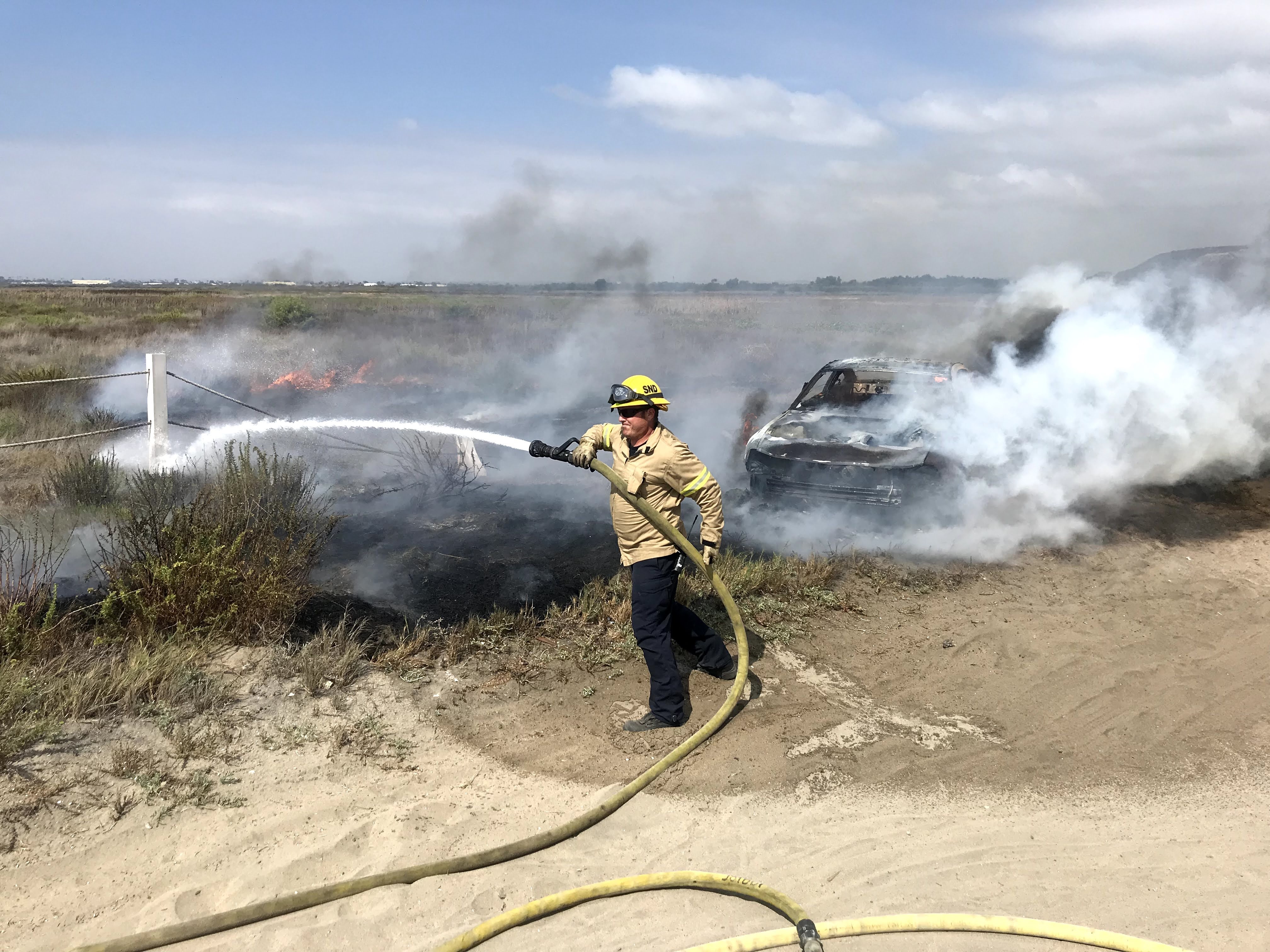
Ignoring the massive fireball that used to be a someone’s pride and joy, the guys immediately set to attacking the flanks of the vegetation fire with the hose stream, following behind to scratch a break in the vegetation with hand tools. They were efficient with their hose streams and diligent in not wasting water. The second engine arrived and gave us an additional 500 gallons. With about 20 gallons to spare, we extinguished the fire. A smoking car in the middle of a fully contained and mopped up vegetation fire was all that remained. The guys could have gone another route. They could have knocked down the car fire with about 300-400 gallons, but the vegetation fire would have gotten too big for 100 gallons plus the 500 from the other pump. Perhaps we would have needed more rigs or a water tender to provide an effective firefighting force had they chosen a different tactic than attacking the flanks. Those guys instead, realized the scarcity of the water on that fire scene and made every drop count.
Scarcity is something we deal with every day in the fire service. It’s no secret that we are short on ambulances in our city. I’m sure it’s a similar story elsewhere. During the height of COVID, we had many crisis of confidence in our own decision making skills due to scarcity of resources. Imagine having two critical status patients, and only one assigned ambulance with an estimated time of arrival to scene of 25 minutes. As you’re waiting, a healthy 20 something year old male walks up and informs you that he has just been diagnosed with COVID and he too needs an ambulance…we conduct an assessment and he has flawless vital signs and no symptoms of even minor infection…he’s not taking no for an answer and tells you to place your county approved assess and refer paperwork somewhere the sun doesn’t shine. You’ve already worked out a configuration and got buy in from your medic to transport both critical status patients in the same ambulance. Definitely not the most ideal situation, but workable, but now you have this healthy young guy who has no business going to the ER…what do you do when there are no ambulances even available for him? There’s no easy answer…Scarcity of ambulance resources put a huge test to our decision making processes during this pandemic, but in a testament to our resilience, we figured things out.
Scarcity of our human resources is very real. Depression, anxiety, despondency, burnout, and fatigue are all symptoms of the scarcity of our human resources being put to the test. Our call volume has peaked and our mandatories have continued with very little reasonable end in sight. The once boundless patience of our spouses for the fire service schedule has always ebbed and flowed, but recently has most likely turned for the worse. Fire service managements across the nation have realized this scarcity of the human spirit as it has affected our willingness to keep getting on the rig to respond. I trust they our management is doing everything they can to try and help us out while keeping up the services we swore to deliver up and running. I know it is a slow and tedious process, worthy of careful though. It may very well be a loosing endeavor and will require some out of the box thinking to correct. Mark my words, the fire service we know today will have to change dramatically in order for us to continue serving the public that demands more and more of us every year. What this new fire service will look like will be anyone’s guess. For the record, I still love every day coming to work, but I see the finite resources of our so called human capital, our life blood of firefighter brothers and sisters, being pushed to some limits. It is in the unmeasurable resilience of our fire culture that we keep holding on. We are seeing this struggle play out nationwide in real time.
The key take away of scarcity is that once thought of endless supply of resources is being tested every day. You see this in the news almost non stop daily, whether it is shortages of Christmas presents, workers at your favorite coffee shop that closed for the day without warning, or looking at the TeleStaff roster when you hope to go home. The bottom line is, before you even begin to discuss prices, efficient systems of doing business, or even surviving, you must always appreciate the concept of scarcity. It is the ultimate force that guides and limits every decision you make, whether its how you spend your time, money, or energy. The whole goal of economics is to maximize your outcome of happiness, while ALWAYS recognizing scarcity being the limiting factor.
 The Firefighter Economist