On May 24, 2008, at approximately 6:30 in the morning, I joined the club of men and women who can say they’ve visited to roof of the world. It was an incredible experience that I will personally always cherish, but the full story of this journey isn’t the point of this post.
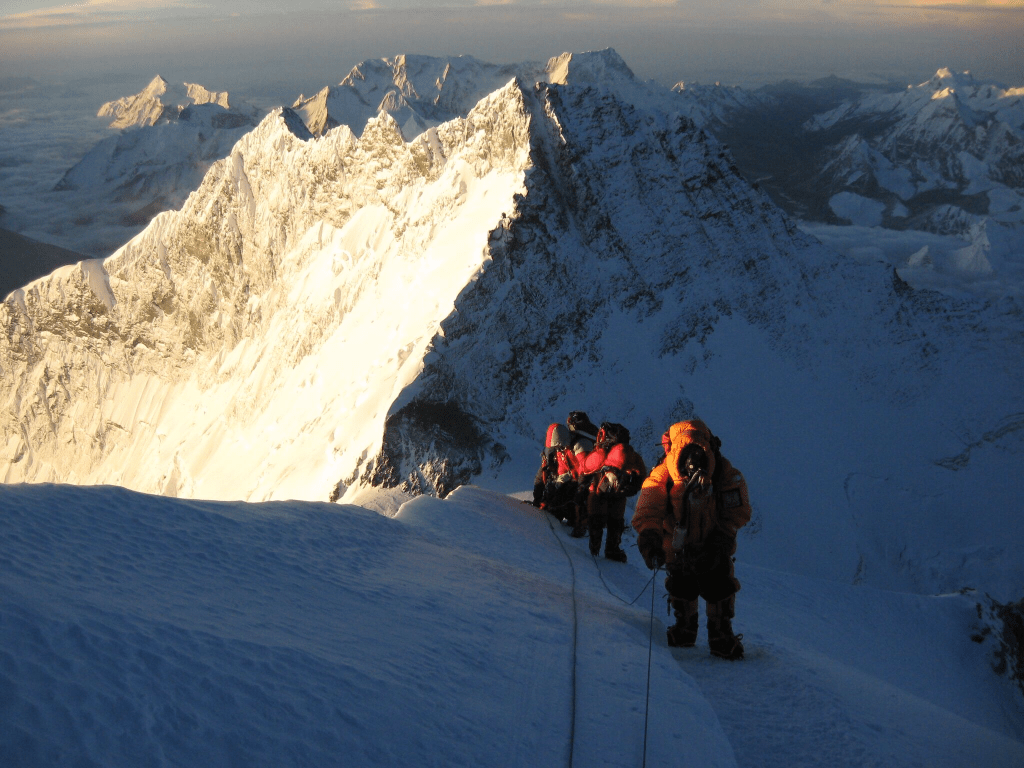
After reaching the top and safely descending to our base camp, our team and I sipped some celebratory beers and took stock of our accomplishments. Our expedition leader, an elderly Scott, who had brilliantly orchestrated the intense logistics of a running a Himalayan expedition, challenged me specifically. Henry Todd’s words were something that have guided me ever since that day in late May: “You’ve done something extraordinary young man, now capitalize on it. If this success doesn’t pay for itself, you’re a God damned idiot.”
What did he mean exactly? At the time, I knew I wanted to be a firefighter, and reaching the summit of Everest would definitely help on my job application. A firefighter’s wage wouldn’t quickly pay the cost of such an expedition, so that wasn’t what Henry meant. Was it future motivational speaking engagements? A book deal? I got a little bit of fanfare press in the Sacramento area that year, but hardly enough to leverage into a money amount. Of course young me wasn’t as forward thinking. I shrugged off the advice, sipped my beer and sat happy in my accomplishments.
On returning home, I graduated college the next year and began my journey into the fire service by joining the 72nd fire academy in San Diego. Navigating the daily grind of hoselay evolutions and truck company operations took it’s toll physically. I had to pace myself, conserve my energy, yet perform when called. In the evenings, when all the hose and chain saws were properly put away for the day, I had to recover and be ready for the next day. It was exactly like a day climbing in the Himalayas. I saw some of what Henry had told me, but not the whole picture. Years later, when preparing for captain, hazard assessment, communications, and team dynamics in an extreme environment felt familiar. They were practiced for two months in the icy Himalayas! “Ok Henry, I get what you’re saying now,” I thought. But the big ahaaa moment came to me when thinking about financial independence.
You see, when I get asked about my trip to Everest, most people want to hear about how hard it was…the trash, the crowds, the bodies….usually along the last lines of questions is how long did it take. When I reply years of preparation and two months of living on a glacier, their most people’s faces squish into a look of disgust. “I could never do that, that just seems too hard and too miserable for too long,” they usually say. In my mind that is just like achieving financial independence. The lightbulb had gone off. Thank you Henry Todd
F.I. One step at a time
Climbing Everest is not for an adrenaline junky. If you watched one of those great documentaries about mountaineering, like Meru, and you think you know what climbing a mountain is like, think again. I like to use that five minute segment of Jimmy Chin, Renan Ozturk, and Conrad Anker biding their time in a storm while they wait to tackle the Shark’s Fin Arete as exhibit A. Yes a tent being belted by gusts of wind and spindrift seems draining. Slowly starving over the course of two weeks compressed into two minutes of film is moving. However, it does little to convey the true mundane elements of an expedition because it’s juxtaposed next to dizzying voids and breathtaking scenery. These boring and understated elements make up a majority of an experience on an expedition, and to not give them their fair share of the story, cinematically makes sense. However, if you want a different take of what you need to be successful in the hills, maybe a dose of reality might help. Take this with a grain of salt…if you’re technically sound, have great fitness, don’t mind sleeping on the ground and being cold, AND also like to watch grass grow as a side hobby, climbing Everest may just be for you.
In my mind, becoming financially independent will be like climbing Mt. Everest. Achieve the impossible one small boring step at a time. When I arrived to the base in early April, the mountain loomed above me, but on May 24th, nearly two months after and many small steps later, I got to reap the full beauty of those efforts. Ironically, I look back on the two month journey more fondly than the 15 minutes I spent on the summit. Obviously translating this into my overall game plan for financial independence won’t be nearly as glamorous as counting the stitching in my tent ceiling in the middle of hurricane forced winds, melting tons of snow for water to the soothing roar of a propane stove, or talking about everything under the sun with a tribe of misfits and professionals all gunning for the same patch of land….but symbolically I see the journey towards financial independence like climbing Everest.
My risk tolerance will be similar. Small gains upward every day with conservative investments forward will be my mantra. Step by step with a margin of error downward. When I look at my stocks, I think of covered call options. Even if it’s 5 bucks a week extra, that gets reinvested back into my portfolio, that’s $5 more compounding towards FI. When I get into real estate, a cash flow that’s positive $5 might even generate the same sentiment…it’s a step closer to that summit.
It took a long time to digest Henry’s words, especially coming off such a monumental achievement. Perhaps I didn’t quite live true to his words, but in my way, I think he really got to me in my mindset moving forward. I will achieve something great thanks to my experience on Everest. I will achieve financial independence the same way I climbed Everest, one step at a time. When people ask how I get there, I’m sure I’ll get the same facial expressions as when I tell them how long it took to climb Everest.
 The Firefighter Economist